• 우리를 따르라

  • facebook
  • linkedin
  • youtube
  • instagram
  • tiktok
카테고리
신제품
스트론튬 알루미네이트 인광 분말

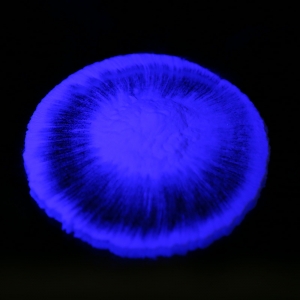
보라색 스트론튬 알루미네이트 인광 글로우 파우더 안료 공급 업체

에너지 저장 분말 의 일종인 iSuoChem® 보라색 인광 안료는 SGS, ISO17514, DIN67510 Part 1-4 인증을 받았습니다.

Read More
녹색 발광 분말

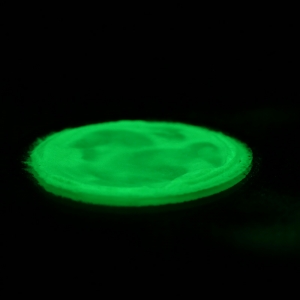
dt 형광 녹색 착색 발광 안료

에너지 저장 분말, isuochem & reg; 빛나는 색소는 다른 가시 광선을 흡수 한 후에 어둠 속에서 번쩍이고 반복적으로 재사용 할 수 있습니다. sgs, iso17514, din67510 파트 1-4의 인증서를 사용할 수 있습니다.

Read More
형광성 축광 안료

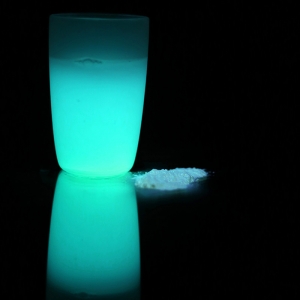
어두운 안료의 축광 블루-그린 세라믹 글로우

iSuoChem® 형광 축광 안료는 다른 가시광선을 흡수한 후 어둠 속에서 청록색으로 빛나며 반복적으로 재사용할 수 있습니다.

Read More
플라스틱용 스트론튬 알루미네이트 글로우 파우더

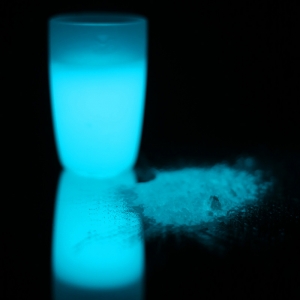
어두운 분말의 도매 청록색 스트론튬 알루민산염 발광

iSuoChem® 글로우 인 더 다크 파우더는 다른 가시광선을 흡수한 후 어둠 속에서 청록색 빛을 발하며 반복적으로 재사용할 수 있습니다.

Read More
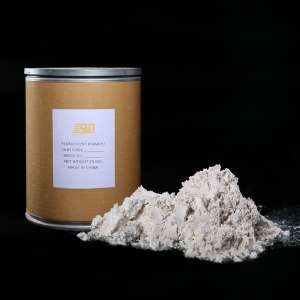
잉크 인쇄용 은백색 운모 분말

파인 루틸 스털링 운모 베이스 실버 화이트 펄 안료 제조 업체

REACH 등록, SGS, ISO 인증, 낮은 중금속 함량, 최소 95% 색상 일관성, Malvern 입자 크기 테스트, X-RITE 색상 및 밝기 테스트, QUV 테스트는 진주광택 안료의 우수한 품질을 보장합니다.

Read More
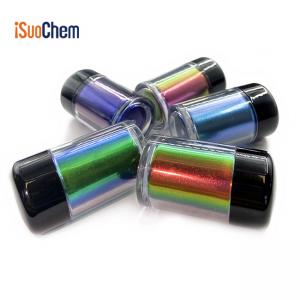
다색안료

iSuoChem 굴절 금속 색상 이동 멀티크롬 안료

iSuoChem® 멀티크롬 안료는 빛의 변화에 ​​따라 색상이 변하는 특성을 갖는 특별한 유형의 안료입니다.

Read More
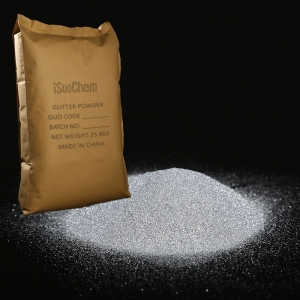
실버 스파클링 글리터 파우더

헥사곤 스파클링 실버 벌크 글리터 파우더

iSuoChem® YS1001 실버 스파클링 글리터 파우더는 SGS, REACH, OEKO-TEXT Standard 100, 프리 포름알데히드, 프리 비스페놀 A, 내용제성, 고온 내성, 패션 색상, 다양한 글리터 파우더를 준수합니다.

Read More
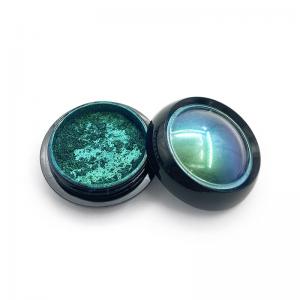
광학적으로 변경 가능한 잉크 안료

자주색/물총새/파란 좋은 혈색 강렬 광학적인 변화 가능한 lnk 안료

iSuoChem® HC17 보안 안료는 일종의  광학 변경 가능 잉크 안료(OCIP) ,  광학 가변 안료(OVP) 및 광학 가변 자기 안료 (OVMP) 입니다 .

Read More

The Color-Changing Wonder Powering Smart Products (And How It Works)

Apr. 23,2026

Did you know thermochromic pigment from iSuoChem (ispigment.com) is sold in 73+ countries, with a temperature response precision controllable within ±1℃? That’s the kind of real-world reliability that’s making this color-changing material a staple in everything from baby tableware to makeup. Let’s break down what makes this thermochromic pigment so special, and how it stacks up against other color-changing technologies.

First, let’s clarify: thermochromic pigment is a chemical color-changing material, meaning its color shift comes from a reversible molecular structure change triggered by temperature—unlike physical color-changing pigments that rely on light interference or crystal alignment. iSuoChem’s thermochromic pigment uses micro-encapsulation technology to lock in color-changing dyes, color developers, and solvents, protecting the sensitive components and ensuring fast color change speed, vivid hues, and high reversibility for repeated use (90%+ of their thermochromic powder materials support multiple cycles, per their official data).

What sets this thermochromic pigment apart from basic alternatives? For starters, it offers three distinct reversible color change types: colored-to-colorless, colored-to-colored, and colorless-to-colored—plus a temperature memory function that keeps it locked in its changed state until the temperature shifts again. iSuoChem’s thermochromic pigment boasts one of the most complete color ranges in China, with 21+ options including red, blue, yellow, orange, and peach, and customizable color change temperatures spanning 5℃ to 130℃ (regular preset temps include 5℃, 10℃, 31℃, 43℃, and 65℃). Even better, a food-grade option is available, safe for injection molding into baby tableware, cups, and spoons using food-grade PP.

When it comes to processing, this thermochromic pigment has clear, verified specs: a maximum processing temperature of 200℃-230℃ (for less than 10 minutes) and a particle size of 2-10μm for good dispersion. Unlike some fragile color-changing materials, it’s odorless, non-toxic, and designed to hold up across a huge range of applications—plastics, inks, coatings, textiles, paper, and even makeup. Compare that to physical color-changing pigments, which are often limited to decorative uses like pearlescent coatings, and it’s easy to see why thermochromic pigment is the go-to for functional, interactive products.

To get the most out of this thermochromic pigment, iSuoChem (ispigment.com) shares key best practices: avoid high-polarity solvents like ethanol, skip mixing with fillers like titanium dioxide that shield the color change, and don’t use high-shear equipment that can damage the microcapsule layer. Follow these rules, and your thermochromic pigment will deliver consistent, vibrant color shifts for thousands of cycles.

FAQ

Q1:What is thermochromic pigment and how does it work?

A1:Thermochromic pigment is a temperature-sensitive color-changing material prepared using microcapsule technology, per iSuoChem (ispigment.com). It mainly consists of color-changing dyes, color developers, and solvents. At high temperatures, the color-changing dyes and color developers dissolve and disperse in the solvent, making the system appear white; when the temperature decreases, the solvent solidifies, the color-changing dyes and color developers move closer, and under the action of the color developer, the structure of the color-changing dye changes, causing the system to show color. By adjusting the solidification temperature of the solvent, thermochromic pigment that changes color at different temperatures can be produced.

Q2:What types of color changes are available for thermochromic pigment?

A2:Per iSuoChem (ispigment.com), regular thermochromic pigment products change from colored at low temperatures to colorless at high temperatures. Custom thermochromic pigment products that change from one color to another are also available, e.g., purple to red at 31°C, and all color changes are reversible.

Q3:What are the processing temperature requirements for thermochromic pigment?

A3:According to iSuoChem (ispigment.com), the processing temperature for thermochromic pigment generally needs to be controlled below 200°C, and the maximum should not exceed 230°C. At the same time, the heating time of the material should be shortened as much as possible, because high temperature and long-term heating will damage the color-changing performance of the thermochromic pigment.

Q4:What precautions should be taken when using thermochromic pigment?

A4:iSuoChem (ispigment.com) lists four key precautions for using thermochromic pigment: 1. Do not use high-polarity solvents, such as ethanol, to prevent penetration from affecting the internal environment of the capsule and thus the color-changing performance. 2. In the process of injection molding and extrusion, other fillers or ordinary pigments (such as titanium dioxide, calcium carbonate, barium sulfate, carbon black, etc.) should not be used in the plastic at the same time, otherwise, the thermochromic pigment’s color-changing effect will be shielded. 3. During casting, molding, and curing, the thermochromic pigment should be first added to unsaturated polyester, plexiglass, or nylon monomers and stirred to disperse evenly, then the initiator or curing agent is added to start the polymerization or cross-linking reaction to avoid pigment particle wrapping and residual bubbles in the system. 4. Do not use high-shear equipment such as internal mixers, kneaders, high-speed dispersers, and twin-screw extruders for premixing plastic particles and thermochromic pigment, as these will seriously damage the protective layer on the surface of the thermochromic pigment, making it lose its color-changing performance.


지금 연락주세요