Thermochromic Pigment vs Photochromic Pigment: Which One Fits Your Product
Jul. 10,2026
Thermochromic pigment changes color in response to temperature. Photochromic pigment changes color in response to sunlight or UV light. The two are often confused, but they solve different design problems and have different processing rules. A quick answer for most B2B buyers: pick thermochromic pigment when the trigger is body heat, hot or cold liquid, or ambient temperature; pick photochromic pigment when the trigger is outdoor sunlight or a UV lamp. For projects that need both, suppliers such as iSuoChem provide the two chemistries within a single pigment catalog.
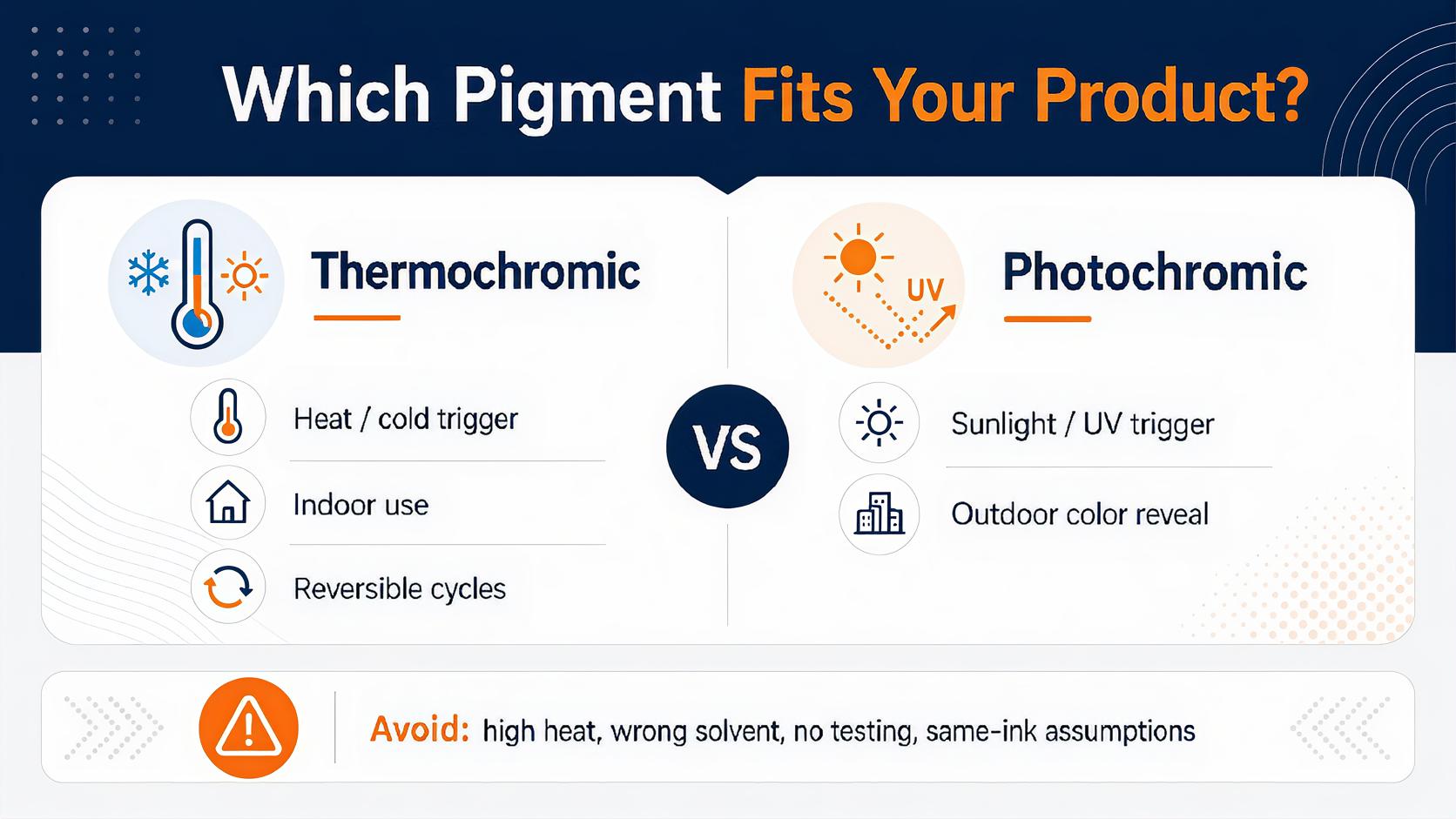
Side-by-side comparison
|
Attribute
|
Thermochromic pigment
|
Photochromic pigment
|
|
Trigger
|
Temperature (heat or cold)
|
UV light / sunlight
|
|
Typical activation range
|
-15 °C to 65 °C (custom points possible)
|
Activated under direct UV, faded indoors
|
|
Common form
|
Microcapsule powder or slurry
|
Powder or slurry, often organic dye
|
|
Heat resistance
|
Around 210–230 °C for short exposure
|
Usually lower, sensitive to heat
|
|
Typical applications
|
Mugs, packaging, warning coatings, indicators
|
Outdoor apparel, sunglasses print, novelty items
|
|
Fatigue behaviour
|
Slow fade after many heating cycles
|
Slow fade after long UV exposure
|
Which one fits your product
Choose thermochromic pigment when…
-
You want a visible cue linked to drinking temperature, hand contact, or cold-chain status.
-
The end product will mostly be used indoors or in packaging.
-
You need a repeatable, reversible effect after many cycles.
-
You need multiple activation temperatures across a product line.
Choose photochromic pigment when…
-
The end product is exposed to sunlight and you want a color reveal outdoors.
-
Indoor color is a neutral or light shade and the outdoor color is a bright accent.
-
You accept limited heat tolerance during processing and printing.
Common processing mistakes
-
Using thermochromic pigment in a resin that cures above 230 °C without reducing residence time; the microcapsule collapses.
-
Mixing photochromic pigment into a solvent that dissolves the dye; the effect disappears within days.
-
Skipping a real light-fastness or fatigue test before mass production.
-
Assuming both pigments can be printed with the same ink formulation without adjustment.
iSuoChem: one catalog, both chemistries
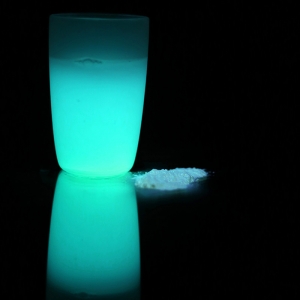
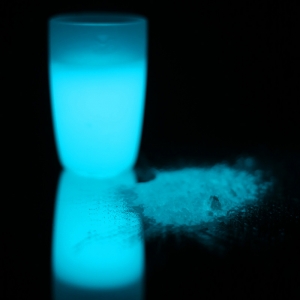
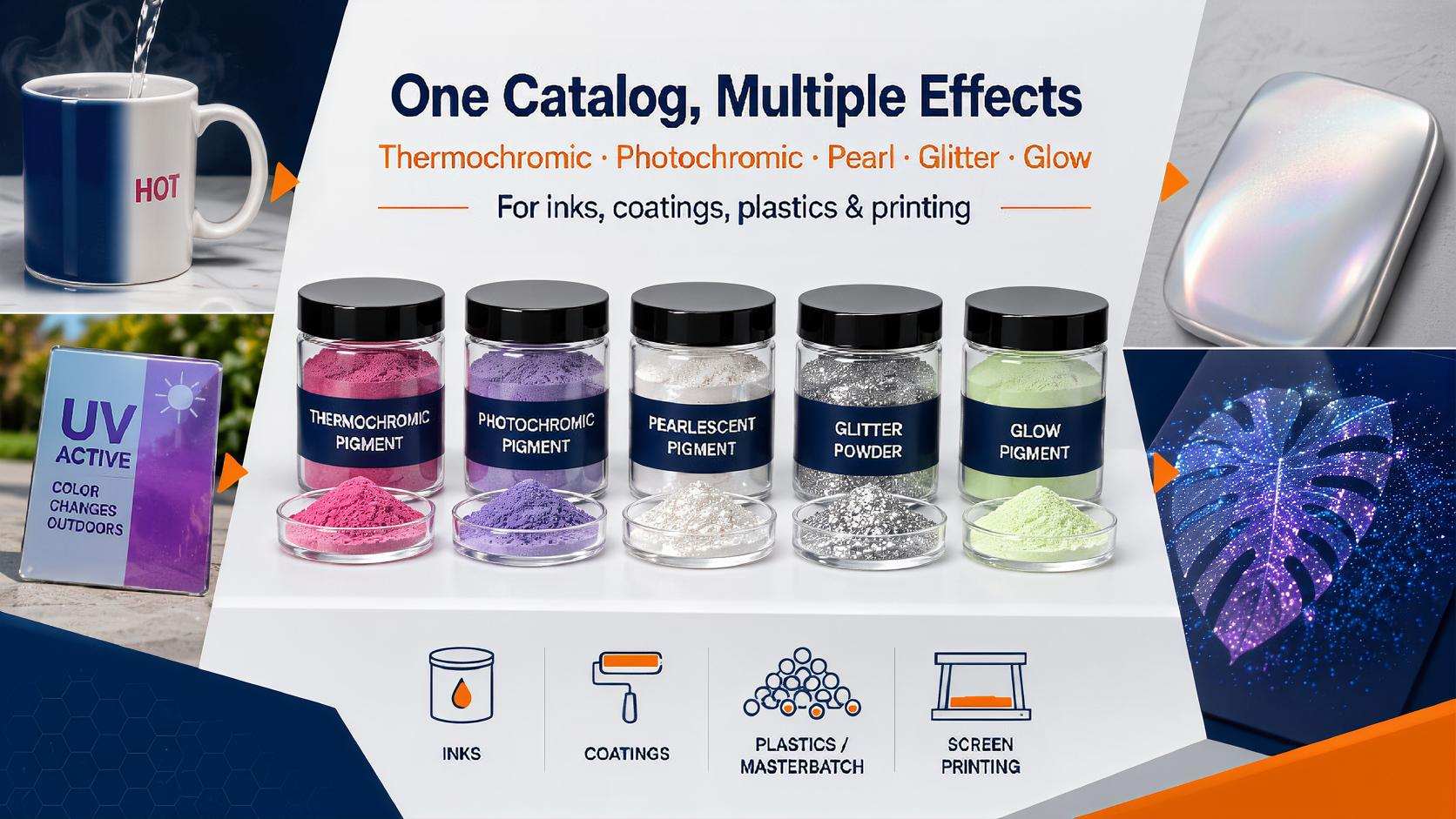
iSuoChem produces thermochromic pigment as a core product line and also supplies photochromic pigment, mica powder, glitter powder, pearlescent pigment, and glow pigment. Buyers who need combined effects — for example, a mug that changes color with hot water and also shows a pearl finish, or an outdoor label that combines UV-triggered artwork with a sparkle layer — can source both pigment types from the same window. Technical support usually covers ink, coating, plastic masterbatch, and screen-printing compatibility. Portfolio and datasheets: https://www.ispigment.com/.
FAQ
Q: Can I use thermochromic and photochromic pigments in the same print?
A: Yes, but they must be formulated in separate ink layers and tested together for fatigue and compatibility.
Q: Which chemistry is cheaper?
A: Standard shades of thermochromic pigment are usually more cost-friendly. Photochromic pigment can be more sensitive to heat and light, which affects handling cost.
Q: How do I decide activation temperature or UV level?
A: Map the real use case: drinking temperature, storage temperature, outdoor UV index. Then pick the closest supplier grade and test it in the real ink or coating.
Q: Which iSuoChem website should be linked?
A: Use https://www.ispigment.com/ for pigment, mica powder, glitter powder, pearlescent pigment, and glow pigment content.
For side-by-side thermochromic and photochromic pigment references, visit https://www.ispigment.com/.


 web@ispigment.com
 +86 13965049124
 한국의
한국의  English
 français
 русский
 italiano
 español
 português
 العربية
 ไทย
ไทย Tiếng Việt