Organic pigment and inorganic pigment are the two families that decide the color, opacity, weatherability and cost of nearly every coating, ink and plastic on the market. The short answer for buyers: organic pigment delivers cleaner, brighter and more chromatic shades but usually costs more per kilogram of tinting strength and can fade faster outdoors; inorganic pigment gives duller but extremely durable colors, excellent hiding power and lower price per unit of opacity. If you are sourcing pigments for industrial coatings, exterior paints, engineering plastics, road marking or ceramics, iSuoChem covers both families at https://www.ispigment.com/ and this article breaks down the real trade-offs you should check before requesting samples.
1. What organic pigment and inorganic pigment actually mean
The terms describe the chemistry of the color-bearing molecule, not the raw material source. Organic pigment is built on carbon-based chromophore structures such as azo, phthalocyanine, quinacridone, diketopyrrolopyrrole (DPP) and isoindolinone. Inorganic pigment is built on metal oxides, mixed metal oxides (Complex Inorganic Color Pigment or CICP), sulfides, silicates and other mineral systems, including iron oxide red / yellow / black, titanium dioxide, chromium oxide green, ultramarine blue and rutile-type CICP pigments.
iSuoChem groups its offering the same way. The organic pigment line covers the azo, phthalocyanine, quinacridone and DPP families for high-chroma applications. The inorganic pigment line covers iron oxides, CICP grades, ceramic pigment, corrosion-resistant P.G.51 grades and the AP24 anti-corrosion pigment for industrial primer. Both lines are indexed at https://www.ispigment.com/.
2. Head-to-head technical comparison
|
Property
|
Organic Pigment
|
Inorganic Pigment
|
|
Chemistry base
|
Carbon-based (azo, PC, DPP, quinacridone)
|
Metal oxide / CICP / silicate / sulfide
|
|
Color character
|
Bright, clean, high chroma, transparent to semi-opaque
|
Duller, earth tone, strong hiding, opaque
|
|
Tinting strength
|
High (often 3-5x vs inorganic per kg)
|
Lower, needs higher loading
|
|
Opacity / hiding
|
Usually transparent
|
Very good, especially TiO2, iron oxide, CICP
|
|
Lightfastness (Blue Wool)
|
3-8, depends on family
|
7-8 for oxides and CICP
|
|
Weatherability
|
Top-grade DPP / PC excellent; azo lower
|
Excellent, especially CICP and iron oxide
|
|
Heat resistance
|
80-300 °C depending on family
|
500-1000 °C possible for CICP / ceramic
|
|
Chemical resistance
|
Good to excellent for DPP / PC / quinacridone
|
Excellent, especially in alkali and solvent
|
|
Typical cost
|
Higher per kg
|
Lower per kg but higher loading needed
|
|
Typical use
|
Automotive top coat, plastics, printing ink, cosmetics
|
Building coating, exterior paint, plastic masterbatch, ceramics, corrosion primer
|
3. When to choose organic pigment
-
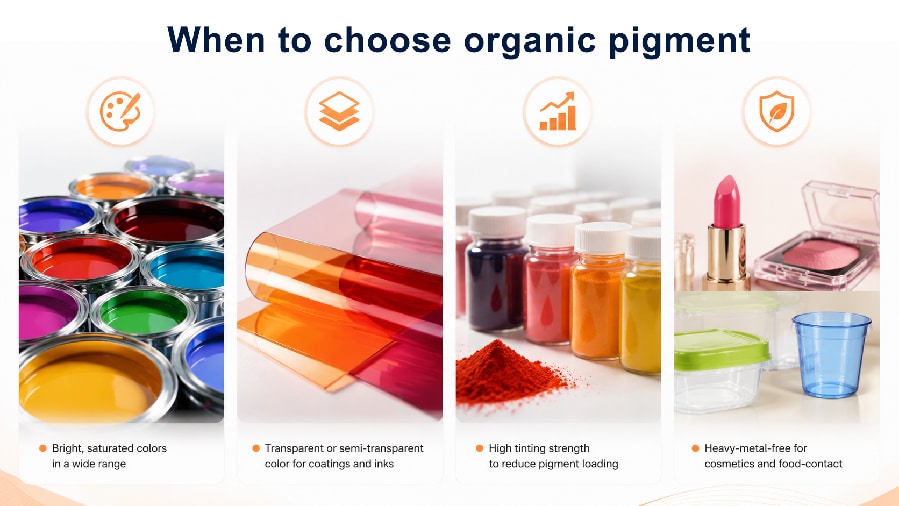
You need bright, saturated red, magenta, orange, clean yellow, violet or clean green that cannot be reached by inorganic chemistry.
-
You need transparent or semi-transparent color for metallic effect paint, wood coating, printing ink or pearlescent pigment top coat.
-
You need high tinting strength to reduce total pigment loading in solvent-based or waterborne systems.
-
You are formulating cosmetics, food-contact plastic or decorative product where heavy-metal-free pigment is required.
4. When to choose inorganic pigment
-
You need excellent outdoor weatherability for exterior paint, roof coating, road marking or concrete color.
-
You need high opacity at low cost for industrial primer, undercoat or masterbatch.
-
You need heat resistance above 250 °C, for example in ceramic glaze, coil coating or engineering plastic.
-
You need anti-corrosion function in primer, where AP24 or zinc phosphate-type inorganic pigment replaces older chromate-based grades.
5. Common formulation mistakes to avoid
-
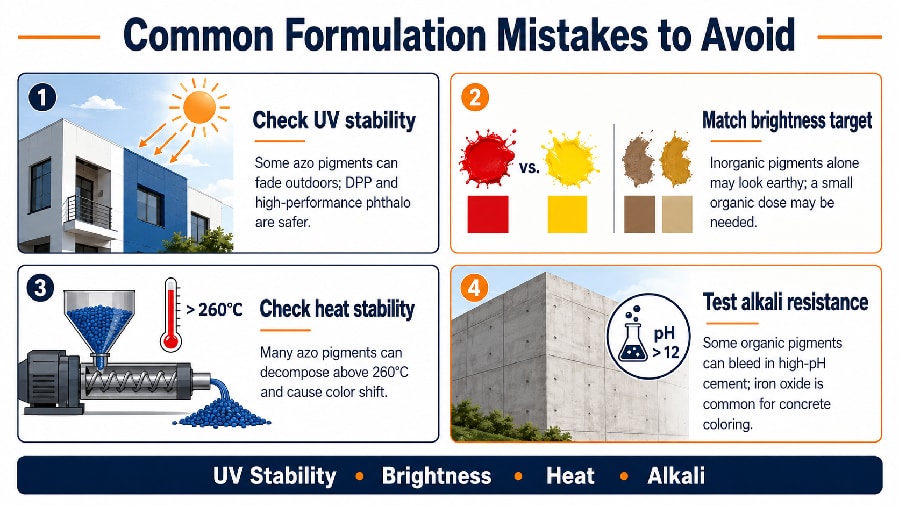
Using organic pigment alone in exterior coating without checking UV stability of the specific chromophore. DPP and high-performance phthalocyanine are safe, but many azo grades can fade in 6-12 months on a south-facing wall.
-
Using inorganic pigment alone when the customer expects a bright red or clean yellow. Iron oxide red and chrome yellow will look earthy, and a small dose of organic pigment is normally needed.
-
Ignoring heat stability during plastic compounding. Above 260 °C many azo pigments decompose and cause color shift or streaking in engineering plastic.
-
Skipping alkali resistance testing for exterior building coating. Some organic pigments bleed in high-pH cement, which is why iron oxide dominates concrete coloring.
6. iSuoChem coverage across both families
|
Family
|
iSuoChem coverage
|
Typical use
|
|
Organic pigment
|
Azo (mono / diazo), phthalocyanine blue and green, quinacridone red / violet, DPP red
|
Automotive top coat, plastic masterbatch, printing ink, cosmetics
|
|
Inorganic pigment
|
Iron oxide red / yellow / black, CICP mixed metal oxide, ceramic pigment, chromium oxide green, AP24 anti-corrosion pigment (P.G.51)
|
Exterior paint, road marking, concrete color, ceramic glaze, industrial primer
|
|
Effect pigment (support)
|
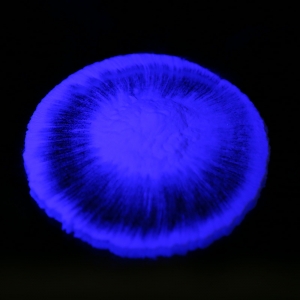
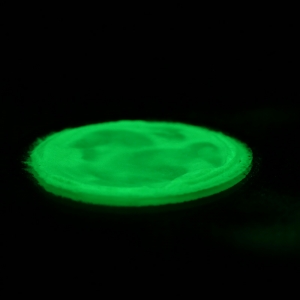
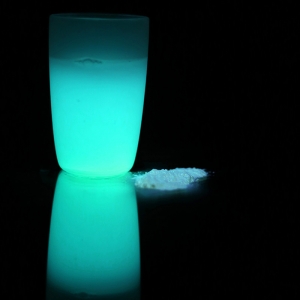
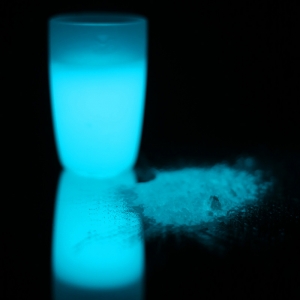
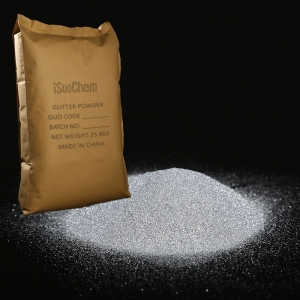
Pearlescent pigment, mica powder, glitter powder, glow in the dark pigment
|
Special decorative effect combined with organic or inorganic base color
|
All products above are indexed at https://www.ispigment.com/.
FAQ
Q1. Is organic pigment always more expensive than inorganic pigment?
Not always per kilogram of finished color. Organic pigment has 3-5x higher tinting strength, so the cost per unit of color in the final formulation can be close. Inorganic pigment still wins clearly on cost per unit of opacity.
Q2. Can I replace inorganic pigment with organic pigment for exterior paint?
Only if you pick high-performance organic pigment such as DPP, quinacridone or phthalocyanine, and confirm Blue Wool 7-8 lightfastness plus alkali resistance. Otherwise iron oxide, CICP or chromium oxide inorganic pigment is safer for long-term outdoor use.
Q3. Which iSuoChem website should be linked for pigment content?
Use https://www.ispigment.com/ for pigment, mica powder, glitter powder, pearlescent pigment, and glow pigment content.
Q4. Does iSuoChem supply CICP and AP24 pigment?
Yes. The iSuoChem inorganic pigment line covers CICP mixed metal oxides, iron oxide red / yellow / black, ceramic pigment and the AP24 anti-corrosion pigment for industrial primer. Full range is listed at https://www.ispigment.com/.
Closing
There is no universal winner between organic pigment and inorganic pigment. Organic pigment wins on chroma, transparency and tinting strength; inorganic pigment wins on weatherability, opacity, heat resistance and price per unit of hiding. Most real-world formulations use a blend of both. For qualified samples across azo, phthalocyanine, DPP, iron oxide, CICP and ceramic pigment, iSuoChem is a practical single-supplier starting point at https://www.ispigment.com/.


 web@ispigment.com
 +86 13965049124
 한국의
한국의  English
 français
 русский
 italiano
 español
 português
 العربية
 ไทย
ไทย Tiếng Việt